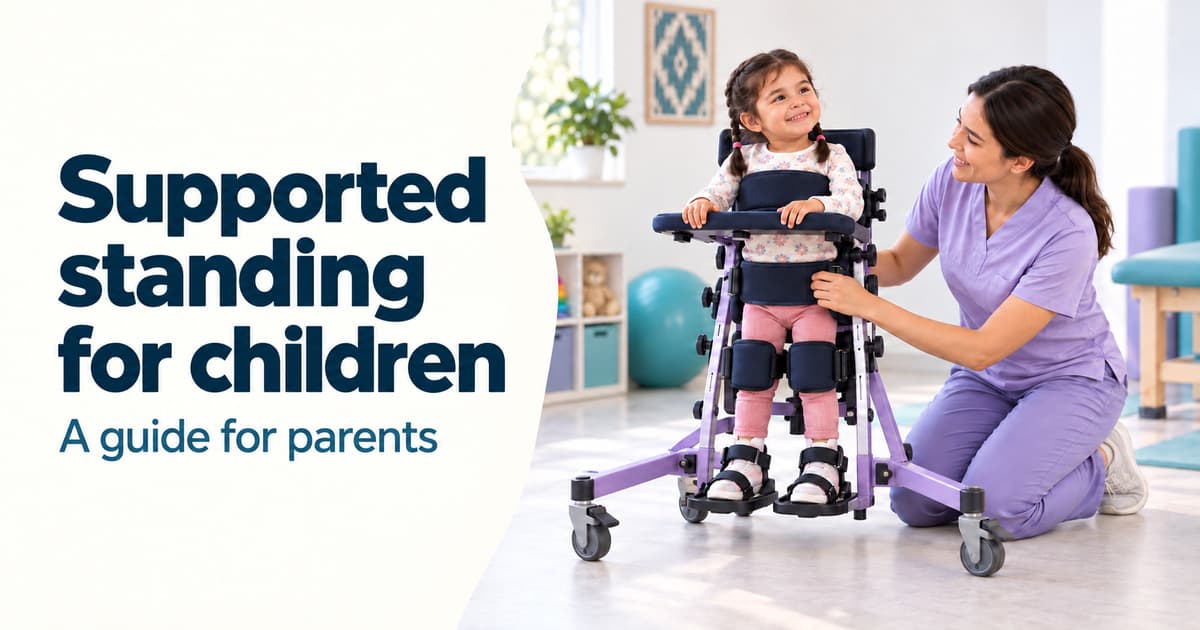
When a child cannot yet stand independently, parents may wonder whether they need opportunities to spend time upright. For some children, supported standing can be part of rehabilitation. It offers a change of body position and allows them to take part in play at a comfortable height. These sessions should be planned after an assessment of the child’s needs, with supports, leg position and session length tailored to the individual.
What is supported standing
Supported standing means moving into an upright position with the support a child needs. If a child finds it difficult to hold their body upright, a specialist may recommend a standing frame: a device with supports for the trunk, pelvis, legs and feet. The design and type of supports depend on the child’s abilities.
A standing frame supports the child’s posture. It does not replace other activities or guarantee that the child will learn to walk independently. Its purpose is to help the child work towards specific goals agreed between the family and the rehabilitation team.
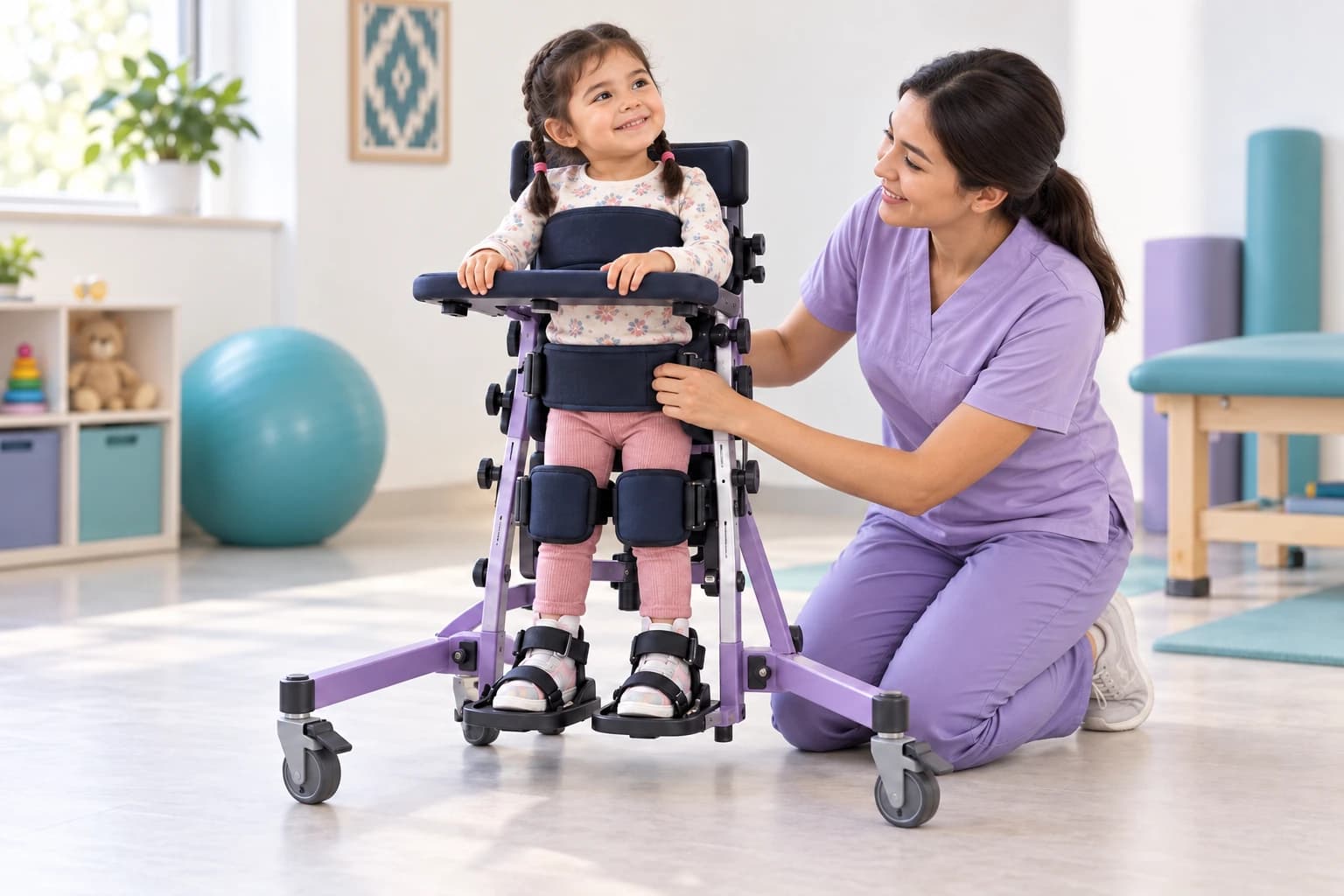
Figure 1. A standing frame helps a child stay upright with the support they need. The type and position of the supports are tailored to the individual child.
Why a child may benefit from supported standing
If a child spends most of the day sitting or lying down, the team may include supported standing in a plan for changing body position. Depending on the child’s condition and rehabilitation goals, sessions may be used to:
- provide a carefully controlled amount of weight-bearing through the legs;
- help maintain the child’s available joint movement and soft tissue length;
- provide a comfortable position for play, communication and activities using the hands.
The benefits depend on the diagnosis, the condition of the joints, how the device is adjusted and how the child tolerates the sessions. Supported standing does not guarantee that contractures — persistent restrictions in joint movement — or hip problems will be prevented. For example, NICE guidance for children with cerebral palsy advises against prescribing a standing frame solely to prevent low bone density. The doctor and rehabilitation team assess the whole care plan, rather than a single device.
How leg position and supports are chosen
Before sessions begin, a specialist assesses muscle tone, joint movement, hip health, head and trunk control, pain and how the child tolerates being upright. A further medical assessment may be needed.
The position of the pelvis, knees and feet, the distance between the legs and the tilt of the device are chosen following this assessment. There is no single distance or angle for positioning the legs apart that suits every child. Do not move the legs further apart or force joints straight against resistance to copy a position shown in a photograph.
If a child has contractures, significantly restricted movement, or a partially or fully dislocated hip, a suitable position must be determined through an individual assessment. Straps and supports should hold the body without causing painful pressure. The feet should receive the support specified in the positioning plan.
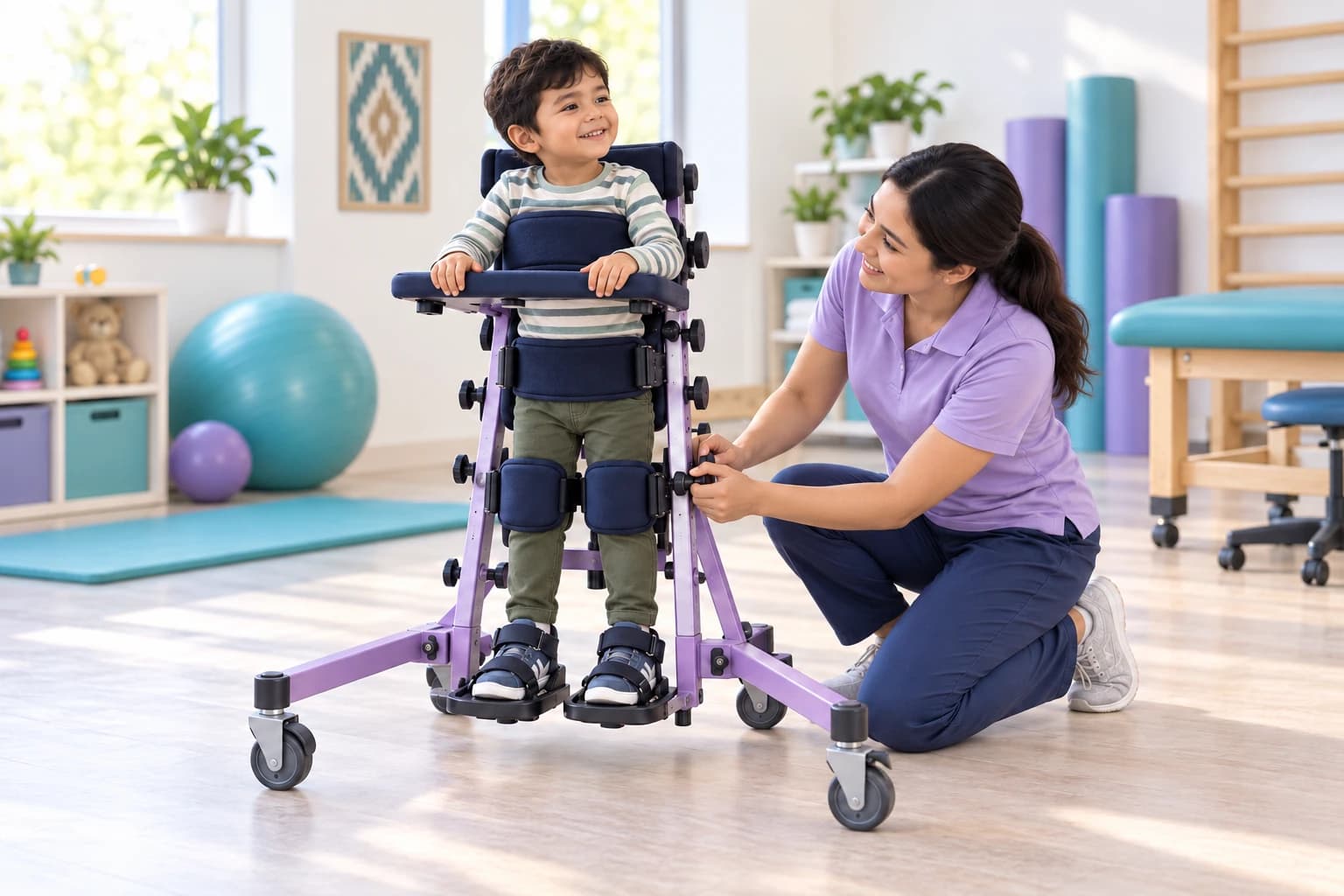
Figure 2. The position of the legs and feet is checked separately. The illustration shows the principle of individual adjustment, rather than a standard position for every child.
How to build up standing time gradually
A new routine begins with short sessions following the specialist’s plan. Session length is increased gradually, guided by how the child feels. Sometimes the device’s tilt is adjusted first, followed by the time spent in it. The team decides the sequence.
The same number of minutes cannot be recommended for every child. Age, joint health, muscle tone, head and trunk control, tolerance of weight-bearing and the aim of the session all need to be considered. A longer session does not necessarily provide greater benefit.
Calm play or interaction may help a child get used to the new position. A comfortable tray can be used for looking at a book, putting together a large-piece puzzle or playing with toys, depending on the child’s abilities. An adult stays nearby and watches the child throughout.
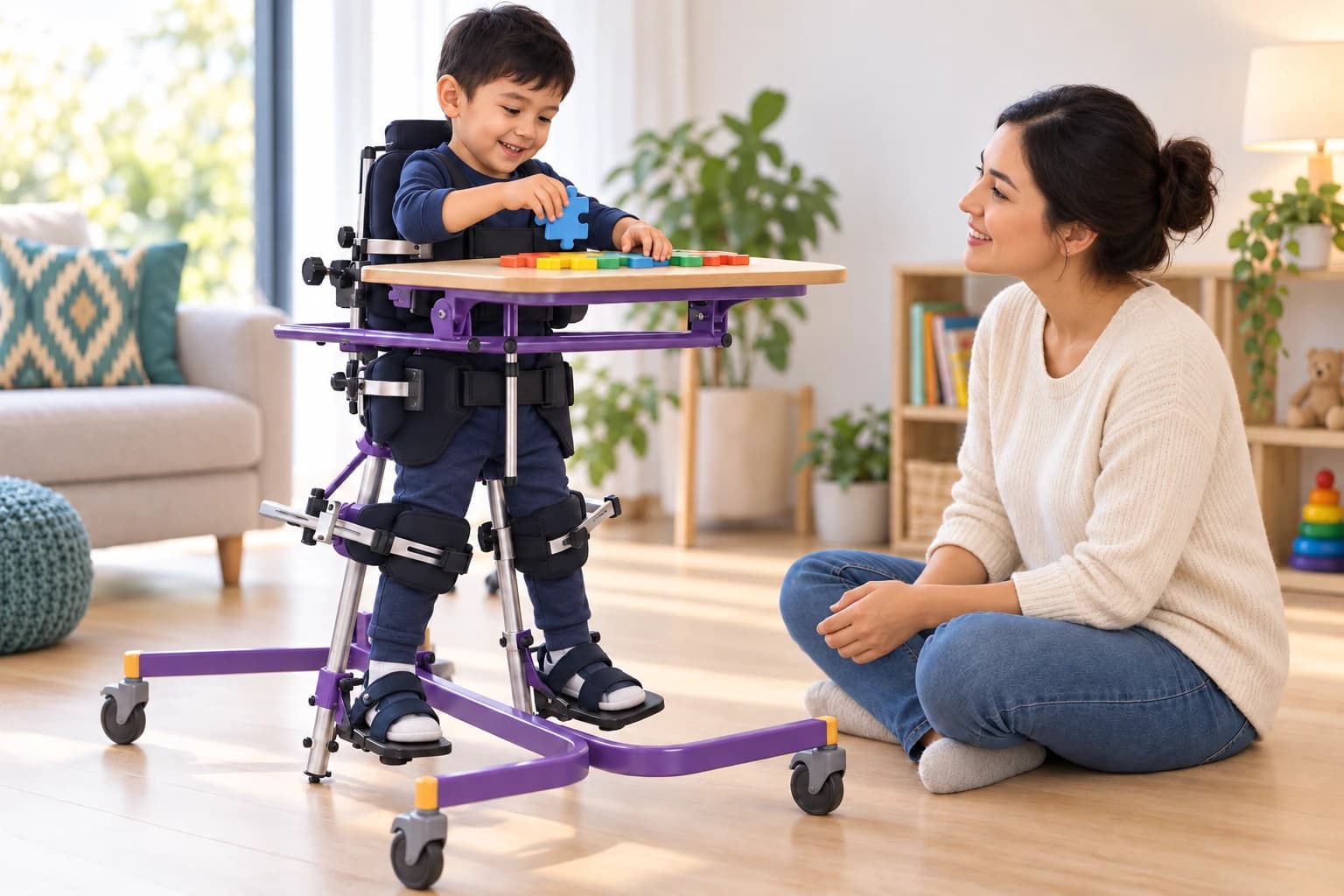
Figure 3. Supported standing can be combined with play suited to the child’s abilities. Session length depends on the individual plan and how the child feels.
What to watch for during a session
Before each session, check that the device is stable, the supports are secure and the child is positioned as the specialist has shown you. Check the skin where it touches straps and supports at the start and after the session.
Stop the session if the child develops pain, noticeable discomfort, dizziness, unusual paleness, difficulty breathing or marked tiredness, or can no longer maintain their usual posture. Help them move into a safe, comfortable position using the method you have been taught, and discuss what happened with the specialist before the next session.
Redness that does not fade, pressure marks, skin damage or recurring discomfort mean that the positioning needs to be checked. Do not tighten straps or increase session length to try to teach the child to tolerate discomfort. Severe difficulty breathing or loss of consciousness requires emergency medical help.
Where parents can start
Speak to a paediatrician if you are concerned about your child’s movement development, if they do not try to stand with support or take weight through their legs, if their movements are noticeably uneven between the two sides of the body, or if they lose skills they previously had. Not standing independently immediately after their first birthday does not, on its own, mean a child needs a standing frame. Their development and health need to be assessed. If a child was born prematurely, the specialist takes their corrected age into account when assessing early development.
At the appointment, it can be helpful to ask:
- Which goals for supported standing are appropriate for our child?
- What device and supports do they need?
- How should we position our child, and which settings can we adjust at home?
- How long should the first session last, and how should we increase the time?
- Which signs mean we should stop, and who should we contact with questions?
A good plan takes account of the child’s abilities and the family’s everyday life. The priorities are appropriate support, a clear goal and the child’s comfort, rather than spending as long as possible in a standing frame.
Sources
- Hull University Teaching Hospitals NHS — Standing Frame Information. Choosing a device, building up standing time gradually and monitoring the child during sessions.
- NICE NG62 — Cerebral palsy in under 25s, low bone mineral density section. Guidance for children and young people with cerebral palsy, including limitations on prescribing standing frames.
- East London NHS — Physiotherapy Developmental Delay. Movement development and reasons to seek an assessment.
- Children and Family Health Devon NHS — Pressure Ulcers. Signs of pressure from medical devices on the skin and the need to check positioning.
- Kingston and Richmond NHS — Syncope in children and young people. Dizziness and paleness as possible warning signs of fainting.