
Cerebral palsy rehabilitation in Tashkent
NeuroLife, Tashkent: rehabilitation for children with cerebral palsy. Movement, daily-living skills, available activities and preparing an enquiry.
What is Cerebral Palsy?
Cerebral palsy (CP) is a group of persistent disorders of motor development and posture maintenance leading to movement deficits. CP disorders are caused by non-progressive damage and/or abnormality of the developing brain in a fetus or newborn.
At our center we apply a comprehensive rehabilitation approach that includes work with motor impairments, speech and cognitive development, and social adaptation of the child.
The course and preparing an enquiry
This programme takes place in Tashkent. Related procedures are listed on this page, while current services and prices are published separately. An enquiry can describe the child’s current skills and the family’s priorities so that the centre can discuss the activities and course duration.
About the clinic · Our team · Current prices · Planning the trip · Contact the coordinator
About the condition and support goals
Support for cerebral palsy focuses on movement, everyday activities and quality of life. No single programme suits every child. Read CDC: About cerebral palsy.
Causes
CP is related to differences in brain development or damage to the developing brain before birth, during birth or in early childhood. Causes vary, and a specific cause cannot always be identified.
Symptoms
Muscle tone disorders (spasticity or hypotonia), delayed motor development, coordination and balance impairments, pathological reflexes, possible speech and intellectual disorders.
Diagnostics
Diagnosis is based on developmental history and clinical assessment. GMFCS describes motor function. MRI and other investigations are used when indicated, rather than automatically for every child. Share existing reports when contacting the centre; any further assessment is discussed individually.
Prognosis
Rehabilitation goals are individual: movement, everyday activities and participation in family life. A particular outcome or timetable cannot be guaranteed; the programme is reviewed as skills and needs change.
How we treat
Diagnostics
Comprehensive examination and patient assessment by an international team of specialists
Treatment plan
Development of an individual rehabilitation program considering diagnosis specifics
Therapy
Intensive course of procedures: physical therapy, massage, physiotherapy, acupuncture and other methods
Results
Progress evaluation, home recommendations and maintenance therapy plan
Procedures for treating Cerebral Palsy


Questions about treatment of Cerebral Palsy
Related articles
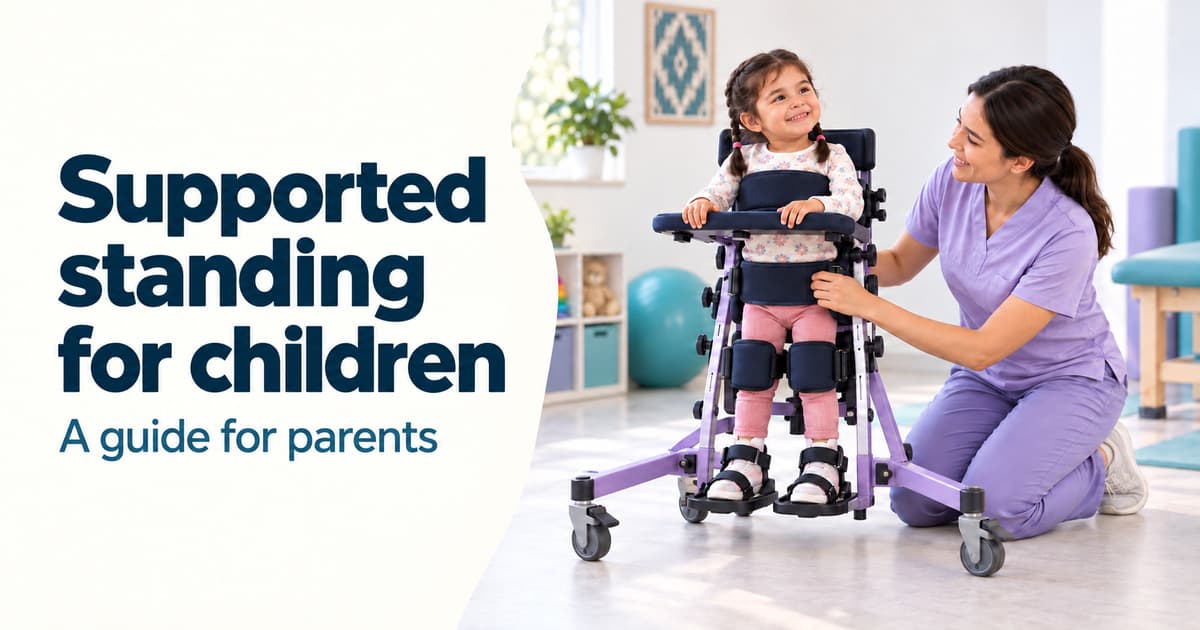
Supported standing for children who cannot yet stand independently
Why some children need supported standing, how a standing frame and session length are chosen, and what parents should watch for.
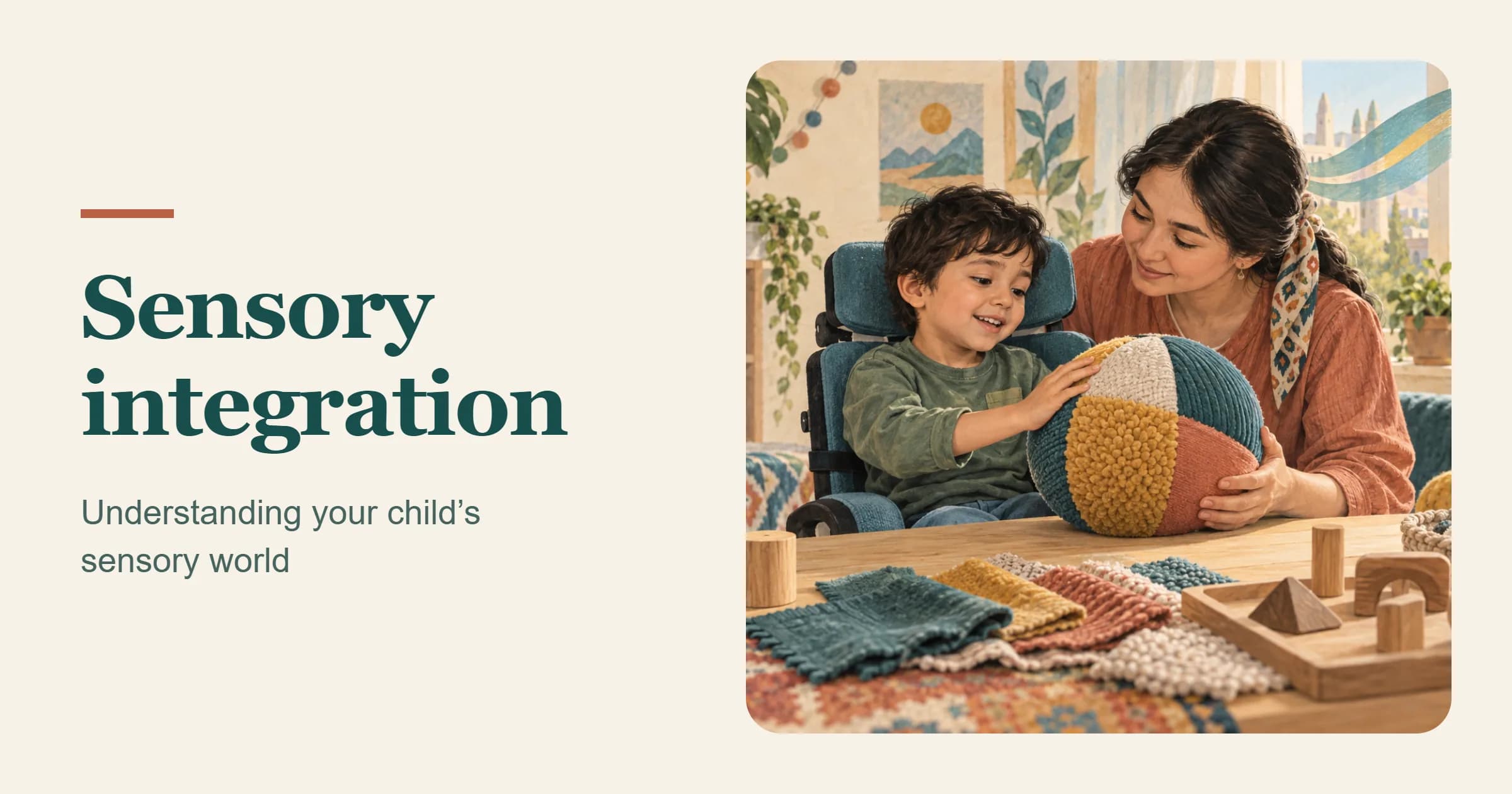
Sensory integration: understanding your child's sensory world
A tag on a shirt, the noise of a market, the texture of food — sometimes what lies behind this is not a tantrum, but the way a child processes sensory information.

Cerebral Palsy and Overprotection: Supporting Your Child's Independence
Care given out of love can quietly turn into overprotection. How to tell necessary help from too much of it, why it matters for rehabilitation, and 5 tips for parents.
Book an initial consultation
A doctor will review your documents and provide recommendations within 24 hours.